
Urban Secrets · Singapore Property Planning
The Hidden Truth About Woodlands: Why Smart Money Is Quietly Moving North
Most people still think of Woodlands as a checkpoint to JB. But a confirmed 35-hectare transport and business hub, tied directly to the new Johor Bahru-Singapore RTS Link, is quietly repeating the playbook that turned Jurong into a boomtown.
 Isaac Lee · PropNex Realty · Updated Aug 2026 · 👁 9,142 views
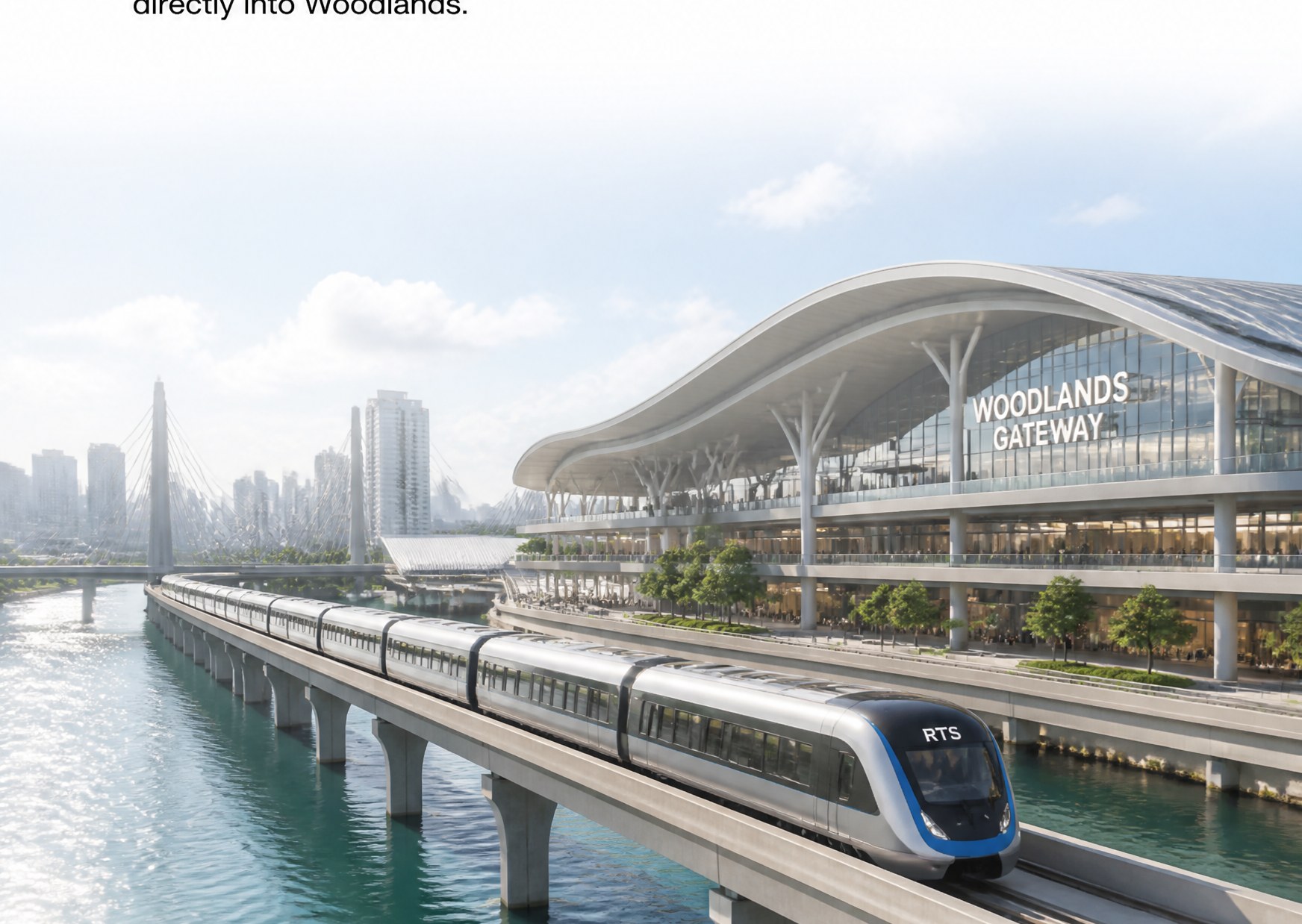
Ask most Singaporeans what Woodlands means to them, and the answer is usually "the checkpoint to JB." That perception is exactly why the transformation underway there is worth paying attention to before it's fully priced in.
The Woodlands Gateway, confirmed and under construction
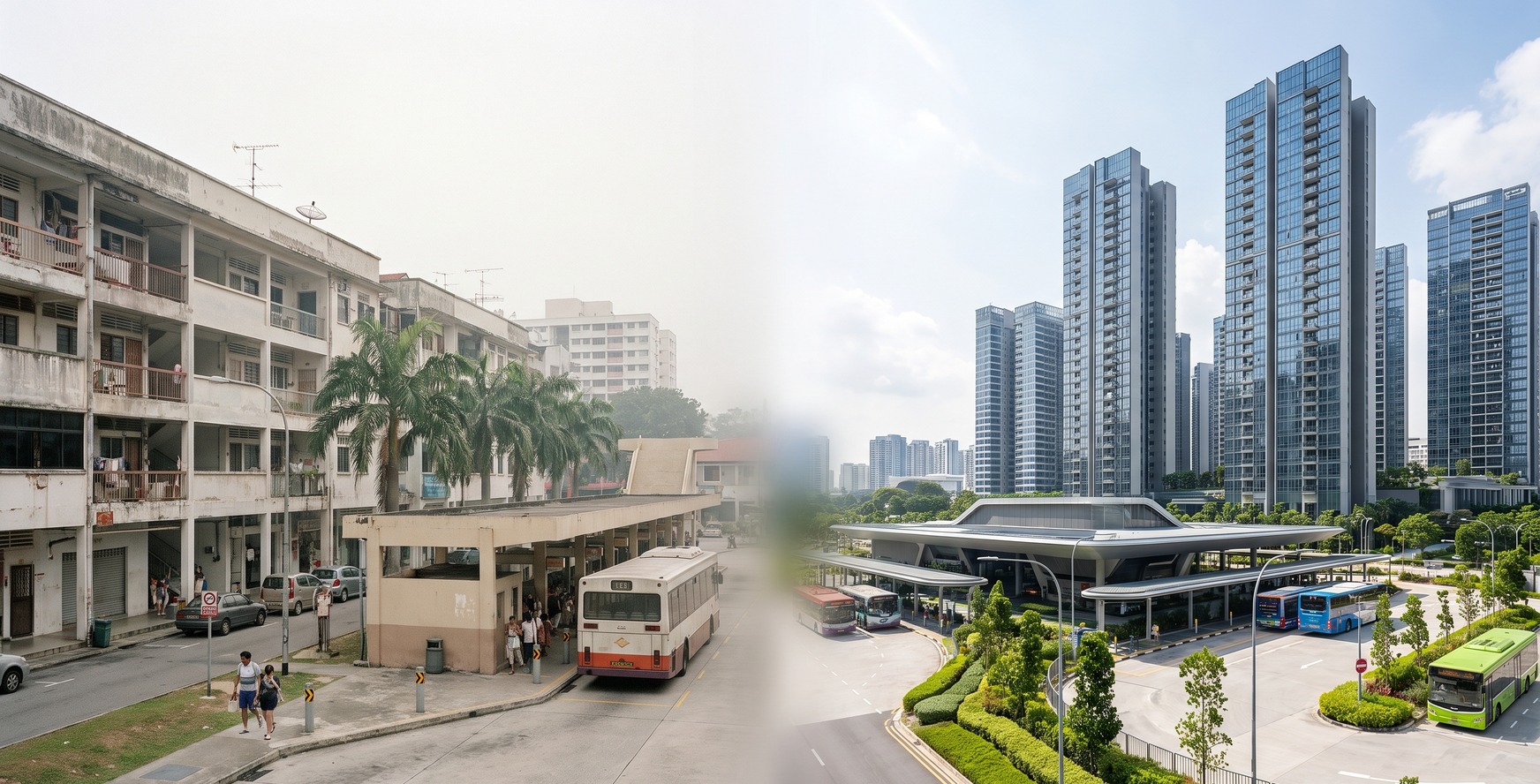
Woodlands Gateway is real, and it's a genuinely large project: a 35-hectare development, roughly the size of the Sports Hub precinct, expected to complete around 2030. Its first phase alone includes a bus interchange (about 6,500 sqm), 28,000 sqm of retail space, and 22,000 sqm of flexible office space. It connects directly to Woodlands North MRT on the Thomson-East Coast Line, and to the upcoming Johor Bahru-Singapore Rapid Transit System (RTS) Link.
This isn't a rebrand of the existing bus interchange. It's positioned to anchor the North Coast Innovation Corridor, a real URA-linked growth strategy that also includes the future Punggol Creative Cluster and Learning Corridor, and the redevelopment of the Sembawang Shipyard area. Zoom out further and the Woodlands Regional Centre itself has over 100 hectares of land available for development, with a potential 700,000 sqm of commercial space and around 100,000 new jobs projected over the next 10 to 15 years as it matures.
The Jurong comparison, and where it holds up
There's a reason this narrative echoes Jurong. Jurong was once dismissed as an industrial area before the Jurong Lake District masterplan reshaped its trajectory and property values along with it. Woodlands isn't identical, Jurong's transformation was driven primarily by the Jurong Lake District's commercial and lifestyle repositioning, while Woodlands is anchored by cross-border transport infrastructure and a regional business hub. But the underlying pattern, decentralization pulling jobs and infrastructure away from the CBD into a designated regional centre, is the same one that's already played out once.
Connecting two economies
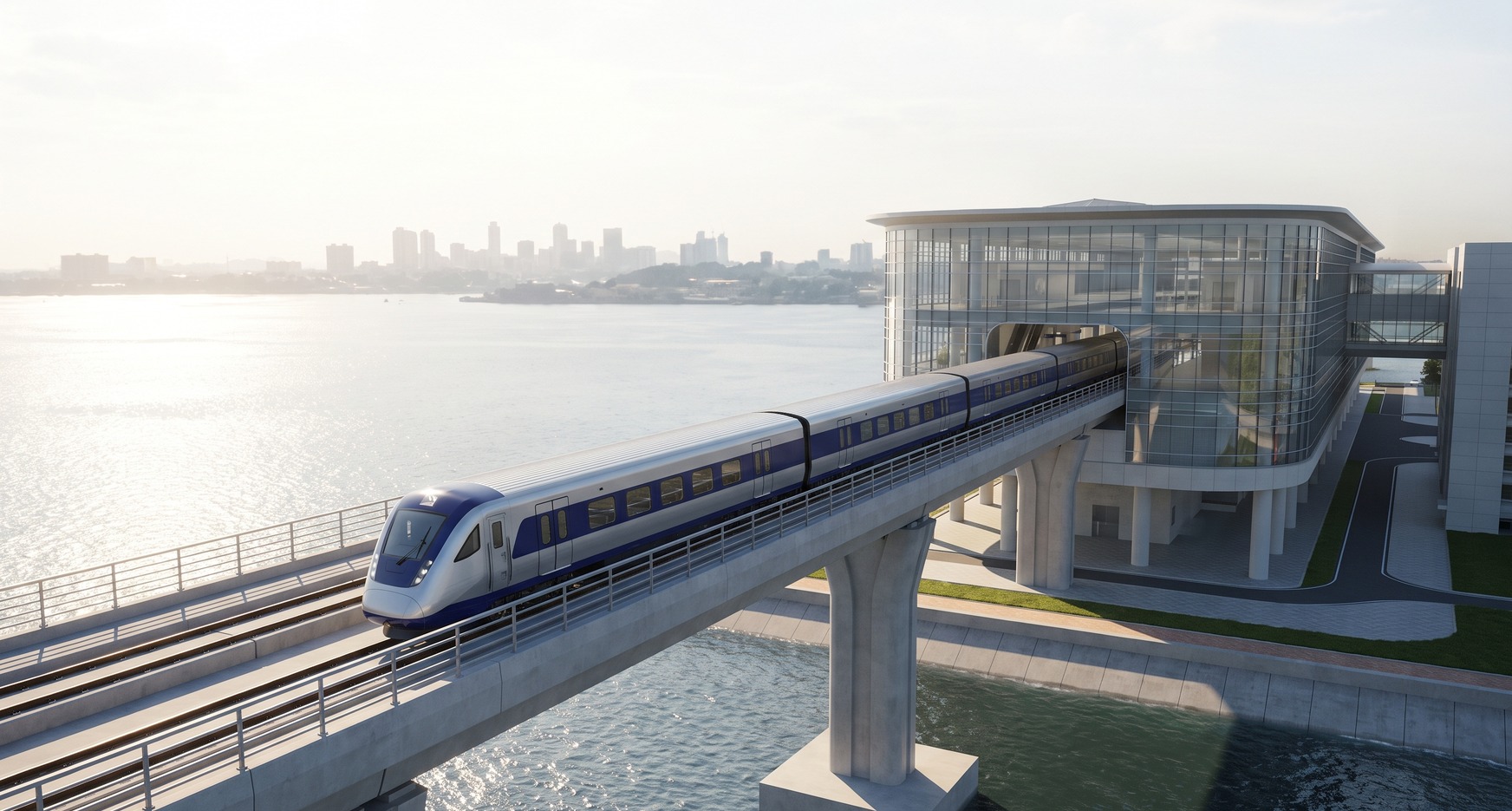
Pair Woodlands Gateway's retail and office space with the RTS Link, and you get a cross-border corridor designed to funnel both Singapore and Johor Bahru footfall directly into Woodlands. That combination, a regional business hub plus a cross-border rail connection, is a genuinely distinct setup among Singapore's decentralised hubs.
What this means for property near the hub
The honest caveat here: there's no independently verified, official figure confirming that integrated transport hubs boost surrounding property prices by a specific percentage. That claim should be treated as a general pattern worth watching, not a guaranteed number. What is confirmed is the scale and timeline of Woodlands Gateway itself, real square footage, a real MRT and RTS connection, and a real 2030 completion target.
For buyers evaluating property in the North, the practical takeaway is to track proximity to the actual Woodlands Gateway site and the confirmed RTS Link corridor, rather than treating "Woodlands" as one undifferentiated zone.
Decentralisation isn't a rumour in Woodlands. The transport hub, the jobs, and the cross-border rail link are all already under development.
Frequently Asked Questions
Is Woodlands Gateway a real, confirmed project?
Yes. It's a 35-hectare transport and business hub with a bus interchange, retail and office space, connected to Woodlands North MRT and the upcoming Johor Bahru-Singapore RTS Link, targeted to complete around 2030.
What is the North Coast Innovation Corridor?
A growth corridor anchored by the Woodlands Regional Centre, alongside the future Punggol Creative Cluster and Learning Corridor and the redevelopment of the Sembawang Shipyard area.
Does an integrated transport hub actually raise nearby property prices by a fixed percentage?
There's no independently verified official figure for this. It's a reasonable general pattern seen in past decentralisation projects, but treat any specific percentage claim as directional, not guaranteed.
How is this similar to what happened in Jurong?
Both follow a decentralisation pattern: shifting jobs, infrastructure and commercial activity to a regional centre away from the CBD. Jurong's transformation was driven by the Jurong Lake District masterplan; Woodlands is anchored by Woodlands Gateway and the RTS Link, a different but comparable growth driver.
Curious what this means for property near Woodlands?
Let's look at what's actually confirmed, what's still speculative, and where the real entry points are before the market catches up.
Usually replies within the day · Isaac Lee, PropNex Realty